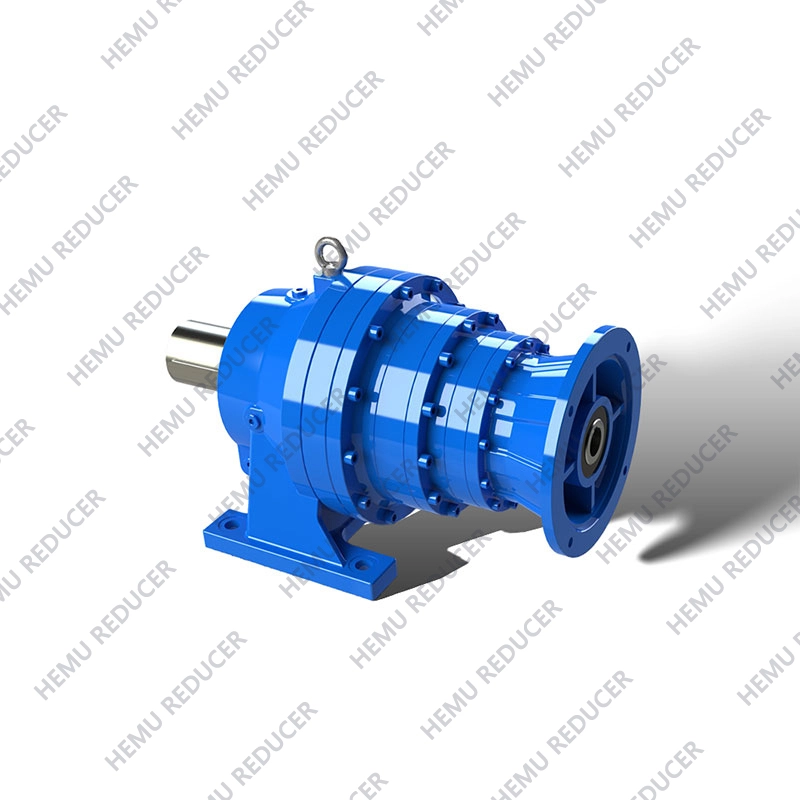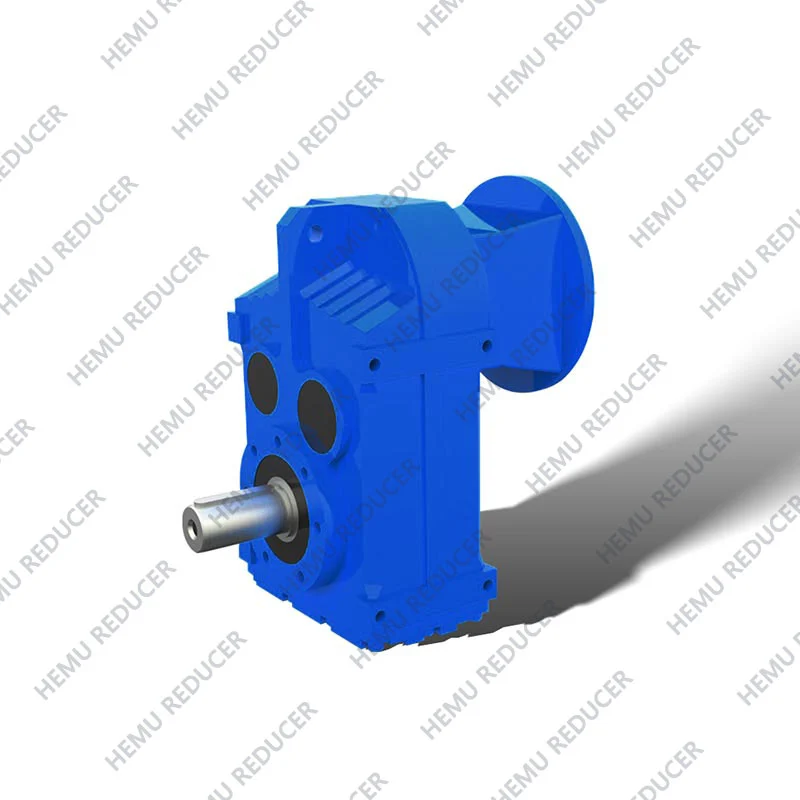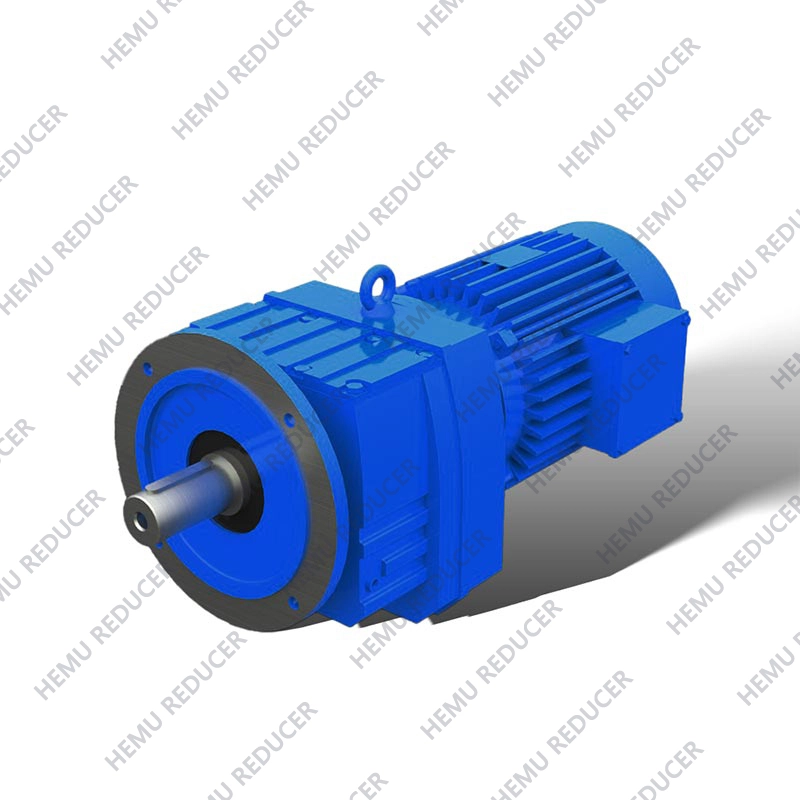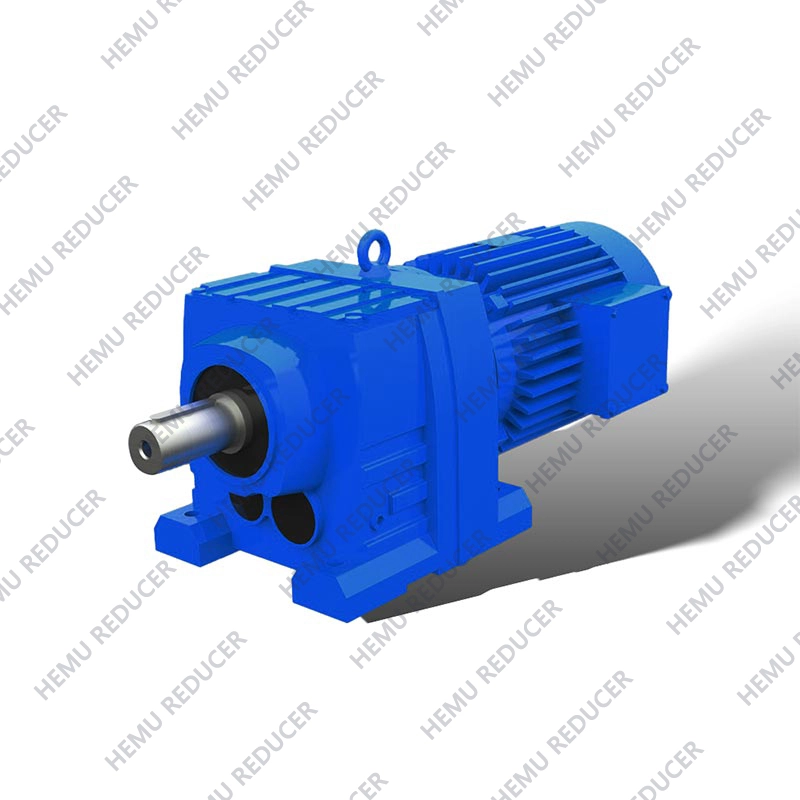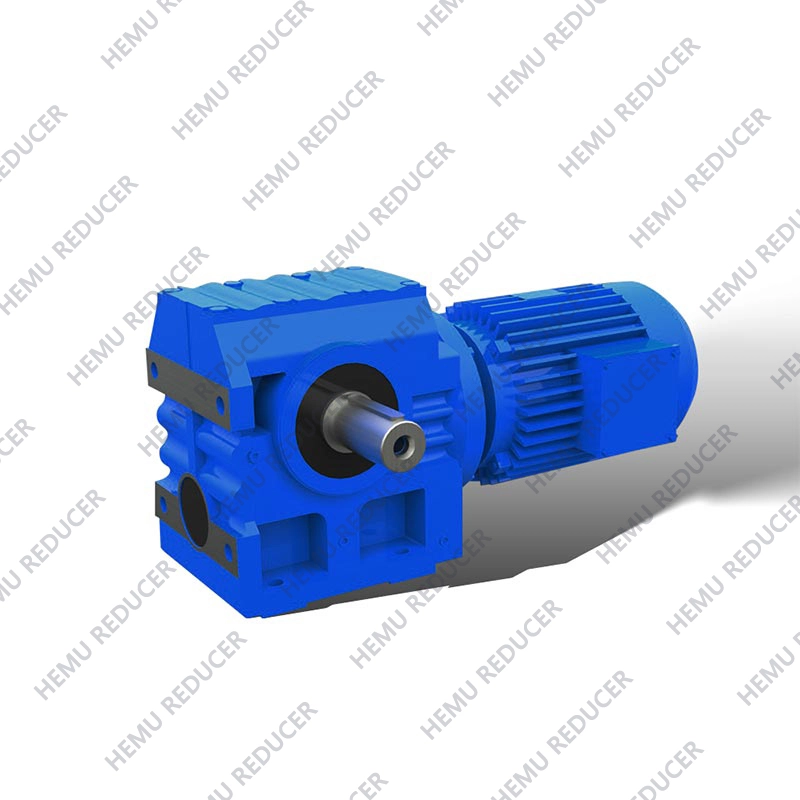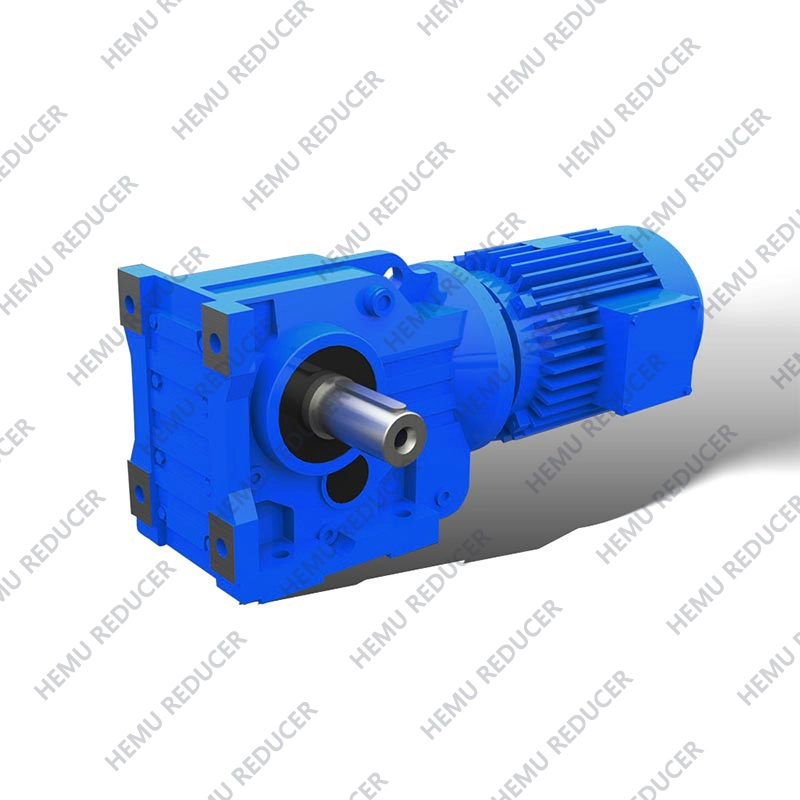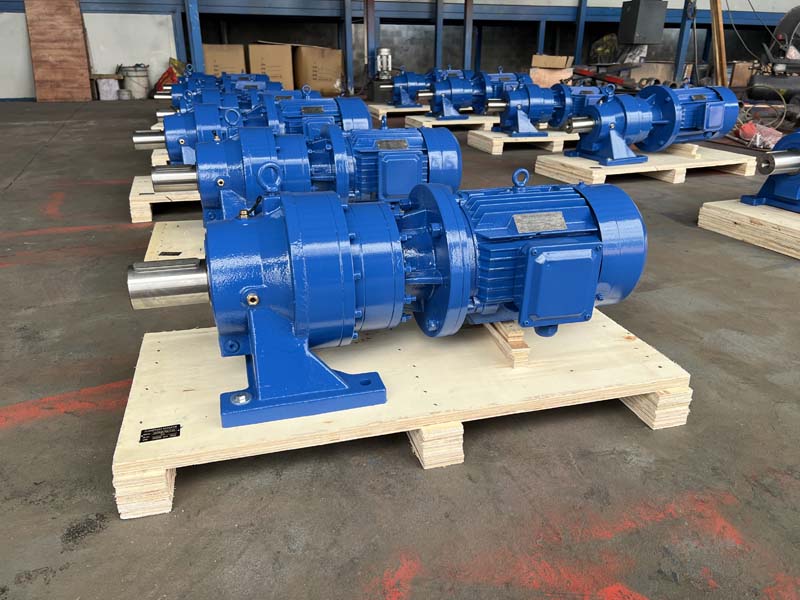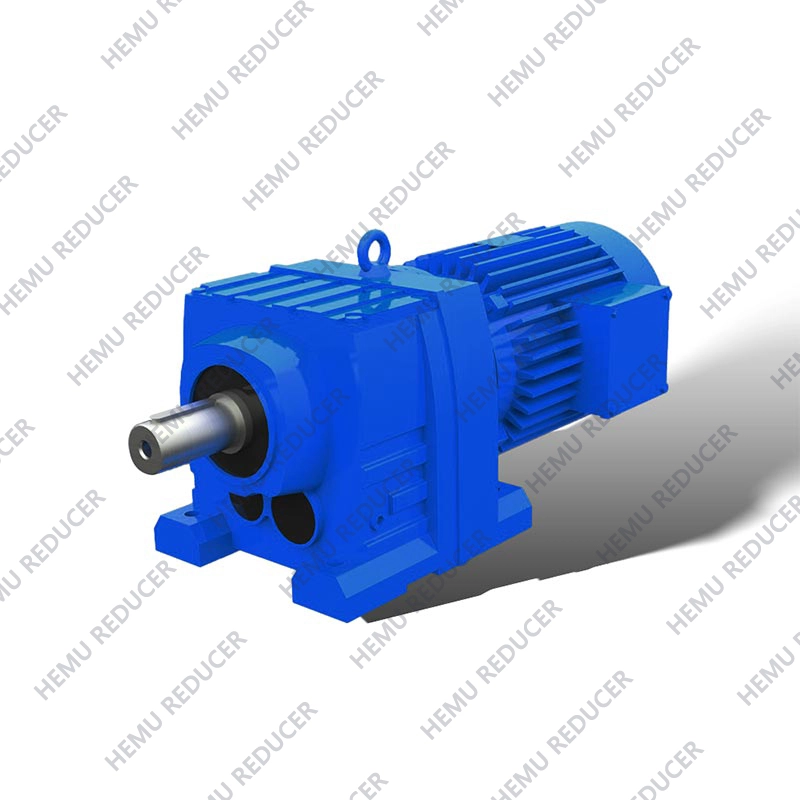
Worm gearbox technology has been widely used in machinery that requires high torque output, reliable speed reduction, and smooth transmission performance. Its compact structure, quiet operation, and self-locking capability make it an essential component across multiple industrial sectors such as conveyor systems, packaging machines, lifting equipment, food processing lines, and various automation systems.
For businesses seeking stable power transmission with minimal maintenance, the worm gearbox stands out as a dependable and durable solution. This article explores how a worm gearbox works, why it matters, what specifications to consider, and which industries benefit the most—while offering a complete overview of technical parameters and FAQs for buyers and engineers.
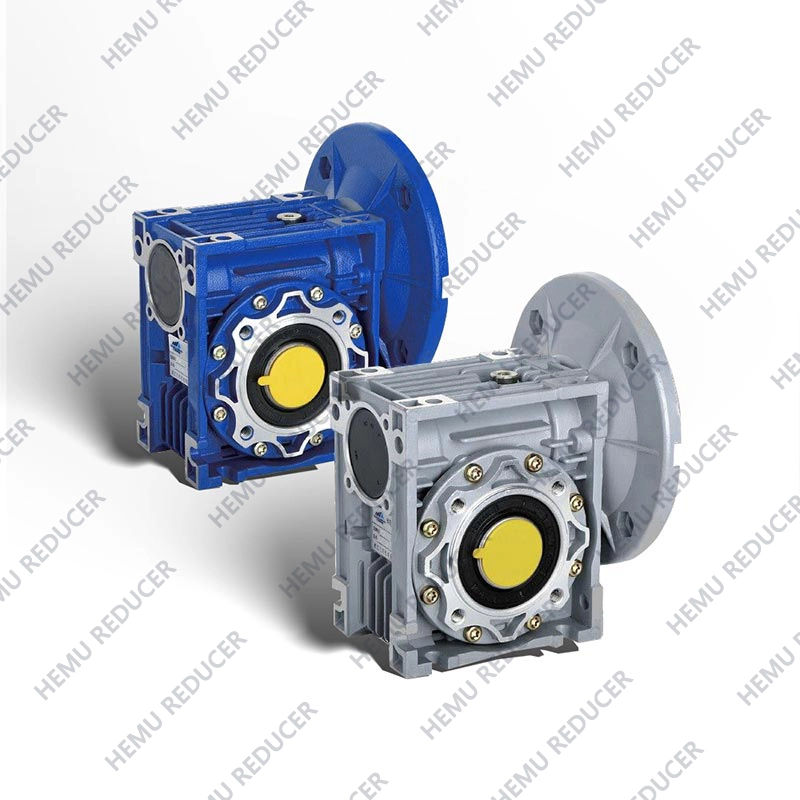
A worm gearbox consists of a worm shaft and a worm wheel operating together to achieve large speed reduction ratios. When the worm shaft rotates, its spiral thread engages with the worm wheel's teeth, transferring motion at a 90-degree angle. This mechanism offers several key advantages:
High reduction ratio in a compact size
Large torque output even at low speeds
Self-locking properties that prevent back-driving
Smooth and quiet transmission suitable for noise-sensitive environments
High shock-loading capacity, making it stable under heavy working conditions
Because of these benefits, worm gearboxes are widely applied in industrial automation, conveyors, material handling, lifting platforms, and equipment requiring precise control.
Choosing the right power transmission unit is crucial for efficiency and equipment longevity. A worm gearbox provides several unmatched advantages for demanding environments:
It delivers significant torque output while maintaining a small footprint, ideal for machines with limited installation space.
The worm and gear engagement distributes load over a larger contact area, improving durability under heavy loads.
Its sliding-contact mechanism reduces vibration and noise, suitable for packaging lines, medical devices, and food machinery.
The simple structure keeps maintenance costs low while offering long service life.
In many configurations, the worm gearbox prevents reverse motion—ideal for hoists, lifting equipment, and inclined conveyors.
To ensure maximum performance and compatibility with your system, consider the following parameters:
Input Power Requirements
Output Torque and Output Speed
Gear Ratio Options
Mounting Type (foot-mounted, flange-mounted, etc.)
Material and Casting Quality
Lubrication and Cooling Method
Shaft Configuration (solid or hollow)
Working environment (temperature, humidity, corrosion exposure)
Below is a simplified specification table that showcases the typical parameters of our worm gearbox product line from Wenzhou Hemu Mechanical Equipment Co., Ltd.
| Parameter | Specification |
|---|---|
| Model Series | NMRV / NRV Worm Gearbox |
| Casing Material | High-strength Aluminum Alloy / Cast Iron |
| Gear Material | 20CrMnTi Alloy Steel, Precision Hardened |
| Mounting Options | Foot-mounted, Flange-mounted, Torque-arm |
| Input Options | IEC Motor Input, Direct Coupling Input |
| Output Shaft | Solid Shaft / Hollow Shaft |
| Ratio Range | 1:5 to 1:100 |
| Output Torque | Up to 1500 N.m (varies by model) |
| Lubrication | Synthetic Gear Oil |
| Cooling Method | Natural Cooling |
| Protection Level | IP54 / IP55 |
| Operating Temperature | –10°C to 60°C |
These parameters can be customized depending on project needs, operating conditions, and load requirements.
Both worm and helical gearboxes serve in speed-reduction applications, but their performance differs significantly. Below is a clear comparison:
Worm Gearbox: Excellent for high-torque, low-speed applications
Helical Gearbox: Better for moderate torque with higher efficiency
Helical gearboxes offer higher efficiency, but worms excel in compactness and load holding.
Unique to worm gearboxes; prevents reverse driving, enhancing safety.
Worm gearboxes are generally more cost-efficient and easier to maintain.
Worm gearboxes operate with low noise due to sliding contact transmission.
In applications requiring safety, compact configuration, and high torque, the worm gearbox remains the preferred choice.
Worm gearboxes are used across numerous industrial sectors due to their versatility, safety features, and mechanical advantages. Key industries include:
Conveyor and Material Handling Systems
Packaging and Food Processing Machinery
Textile Machinery and Automation Lines
Lifting and Hoisting Equipment
Agricultural Machinery
Medical and Laboratory Equipment
Environmental Protection and Water Treatment Systems
Proper maintenance ensures long service life and stable performance. Follow these guidelines:
Ensure oil levels remain adequate; replace oil according to usage frequency.
Continuous overloading accelerates wear; always follow rated specifications.
Keep temperature within recommended limits to prevent lubrication degradation.
Check for leaks to avoid lubrication loss.
Misalignment between input and output shafts may cause excessive vibration.
Q1: What is the main function of a Worm Gearbox?
A Worm Gearbox provides a high reduction ratio and large torque output in a compact mechanical system. It converts high-speed motor input into low-speed, high-torque output, suitable for conveyors, lifting platforms, and automation equipment.
Q2: Why is a Worm Gearbox suitable for heavy-duty applications?
Its design allows for broad surface contact between the worm and gear, resulting in excellent shock resistance, high torque capacity, and stable transmission even under heavy loads.
Q3: Which factors should be checked before choosing a Worm Gearbox?
Key considerations include output torque requirement, reduction ratio, installation dimensions, shaft type, material strength, and operating environment.
Q4: What maintenance does a Worm Gearbox require?
Regular lubrication checks, temperature monitoring, and inspection for wear or leakage are essential to ensure long-term reliability.
A worm gearbox is a powerful, reliable, and cost-effective solution for machinery requiring high torque, stable reduction performance, and safe operation. From simple conveyors to complex industrial automation systems, its versatility makes it a preferred choice across industries.
For customized solutions, technical support, or product inquiries, please contact Wenzhou Hemu Mechanical Equipment Co., Ltd.